
Independent economic and fiscal analysis for electric generation, transmission, distribution, and large-load projects — built with the same regional economic tools DMP Development Analytics applies to highways, freight networks, and bridges, and built to hold up on the record.
Across Wisconsin and the Great Lakes region, the electric system is being rebuilt at a pace not seen in generations. Utility-scale solar, wind, and battery storage projects are moving through state siting processes; new high-voltage transmission lines are being planned to move that power across states; and data centers and advanced manufacturers are requesting loads that can rival a mid-sized city.
Each of these decisions raises the same questions that public officials ask about a highway or a bridge: Who benefits, and where? Who bears the costs? How will the investment change a region’s economic trajectory, and what does it mean for local budgets over the life of the asset?
Those are regional economics questions. DMP Development Analytics answers them with the same input-output models, fiscal analysis, and benefit-cost frameworks used in transportation infrastructure — applied to the specific statutes, payment mechanisms, and decision records that govern energy projects.
“The most persuasive economic impact exhibit is not the one with the biggest numbers. It is the one whose numbers hold up when the county board, the intervenors, and the Commission’s staff each take their turn asking where they came from.”
— Dean M. Prestegaard, Principal Economist
From a single solar array to a multi-state transmission backbone, each analysis is scoped to the decision being made and the people who will rely on it.
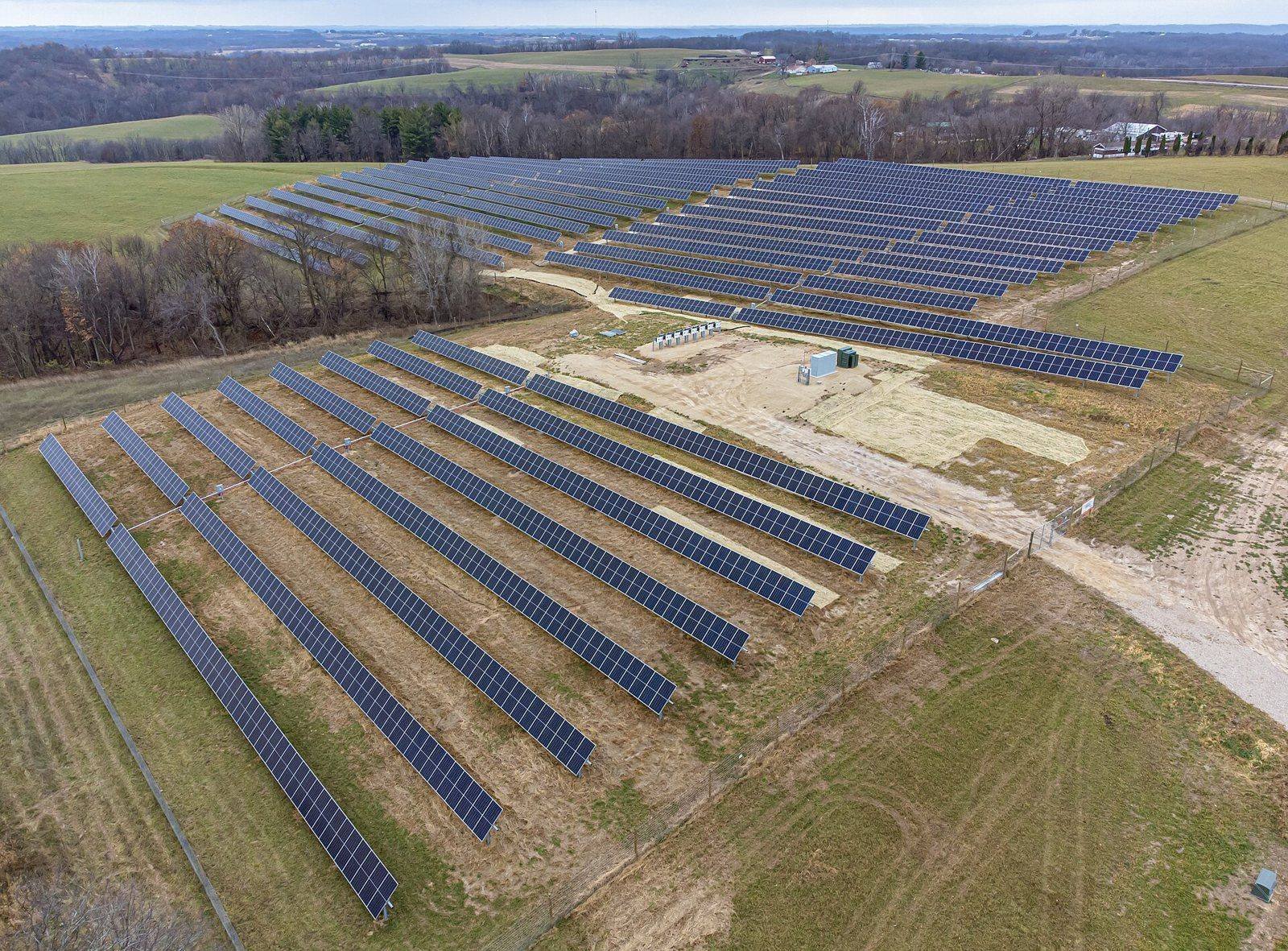
Economic and fiscal impact analysis for utility-scale solar, wind, and battery storage siting applications — built by parts from the project’s actual spending, with regional leakage, labor, and agricultural displacement handled explicitly.
Read the Approach →Corridor-level economic and fiscal effects of high-voltage transmission on the counties, towns, farms, and landowners along a route — the local perspective that system-wide benefit-cost studies are not designed to capture.
Learn More →Economic and fiscal contribution, utility load implications, and ordinance or moratorium evaluation for data centers and other large-load facilities — distinguishing the facility actually proposed from the headline.
Learn More →Financial and economic analysis for municipal electric utilities and the communities that own them — load forecasts, cost of service, rate design, ownership alternatives, and distribution capacity as a constraint on growth.
Learn More →Jurisdiction-by-jurisdiction schedules of utility aid, impact fees, and agreement payments, translated into levy and service terms residents recognize — plus valuation of proposed joint development and community benefit agreements.
See an Example →An independent reading of an applicant’s economic exhibit for counties, towns, and intervenors; responses to data requests; supplemental local tables; and expert testimony grounded in a retained, reproducible record.
Learn More →A transmission corridor has more in common with a highway corridor than most people expect: long-lived assets, linear footprints that cross many jurisdictions, construction effects concentrated locally, and benefits that are often regional while costs land on host communities.
| Transportation Infrastructure | Energy & Power Infrastructure | |
|---|---|---|
| The Asset | Highways, interchanges, bridges, freight rail, ports, and transit. | Generation, high-voltage transmission, substations and distribution, and large-load interconnections. |
| Who Decides | State DOTs, MPOs, local governments, and federal funding agencies. | State utility commissions, regional grid operators, utilities, and county and town boards. |
| System Benefits | Travel time, reliability, safety, and freight cost savings. | Reliability, congestion relief, capacity, and access to lower-cost or cleaner supply. |
| Local Costs | Right-of-way, access changes, construction disruption, and displaced land uses. | Farmland and land-use change, property values, visual and recreational effects, and construction disruption. |
| Fiscal Mechanism | Fuel taxes, aids, tax increment, and grant matches. | Utility aid in lieu of property tax, transmission impact fees, and negotiated host agreements. |
| Our Method | Input-output analysis, benefit-cost analysis, freight and labor market analysis. | The same — plus project-specific bills of goods, statutory fiscal schedules, and docket-ready documentation. |
How many construction and long-term jobs will a project actually support in the county — and how many will be held by local residents?
What will the county, town, and school district receive each year, and over the life of the project, under the payment mechanism that actually applies?
What farm output, land value, or visitor spending does the project displace, and how do gross and net impacts compare?
How are the benefits of a multi-state transmission line distributed, and what share of its costs falls on in-state communities along the route?
What does a proposed data center contribute after incentives and exemptions, and what will its load require of the local utility and its ratepayers?
Should a city keep, sell, or restructure its municipal electric utility, and what happens to rates, debt, and the city budget under each option?
Is distribution or substation capacity limiting industrial site readiness, and what return would an upgrade generate in new investment?
Which figures in an applicant’s economic exhibit are well supported, and which assumptions deserve a closer look?
Energy decisions are made in adversarial settings. Every analysis is built so that each figure can be traced, tested, and defended.
Impacts are built by parts from the project’s bill of goods. Imported modules, turbines, and transformers are treated as leakage, not as local spending.
Construction job-years are never presented as permanent jobs; resident and traveling workers are separated; peak employment is shown on its own.
Payments are scheduled by county, town, and school district under the mechanism that applies in each state — not approximated with a generic tax rate.
Gross and net results, sensitivity ranges, and a full assumptions register are part of every deliverable, and modeling files are retained for review.
“We work for applicants, for host communities, and for intervenors — but never on both sides of the same docket, and no number goes into a report that we would not defend as the other side’s expert.”
Every energy inquiry is screened for conflicts at intake. DMP Development Analytics holds no construction, design, ownership, or power-supply stake in the projects it analyzes, discloses its practice on all sides of the market up front, and presents gross and net results with every assumption documented.
Host communities evaluating proposed generation, transmission, or large-load projects and the agreements that accompany them.
Utility commissions, city councils, and finance directors weighing rates, capital plans, and ownership alternatives.
Solar, wind, and storage developers preparing a siting application that needs a defensible economic and fiscal exhibit.
Parties to a siting proceeding seeking an independent, evidence-based reading of local economic effects.
EDOs and state agencies assessing data center and large-load proposals, site readiness, and incentive trade-offs.
Teaming partners that need specialized economic analysis inside a larger siting, routing, or utility engagement.
The methods described here are established and proven in infrastructure economics; their application to energy siting, transmission, data center, and utility questions is an active area of engagement development for DMP Development Analytics. If a project in your community raises these questions, we would welcome an early conversation.
Whether your community is hosting a proposed project, your utility is planning for growth, or your team needs a defensible impact exhibit, we would welcome a conversation about the analysis that will support the decision.